What to Look for in a Sober Living Home in Omaha
Choosing the right sober living home is one of the most important decisions in early recovery. Here's what to look for, what questions to ask, and what makes Omaha a strong city to build your recovery in.
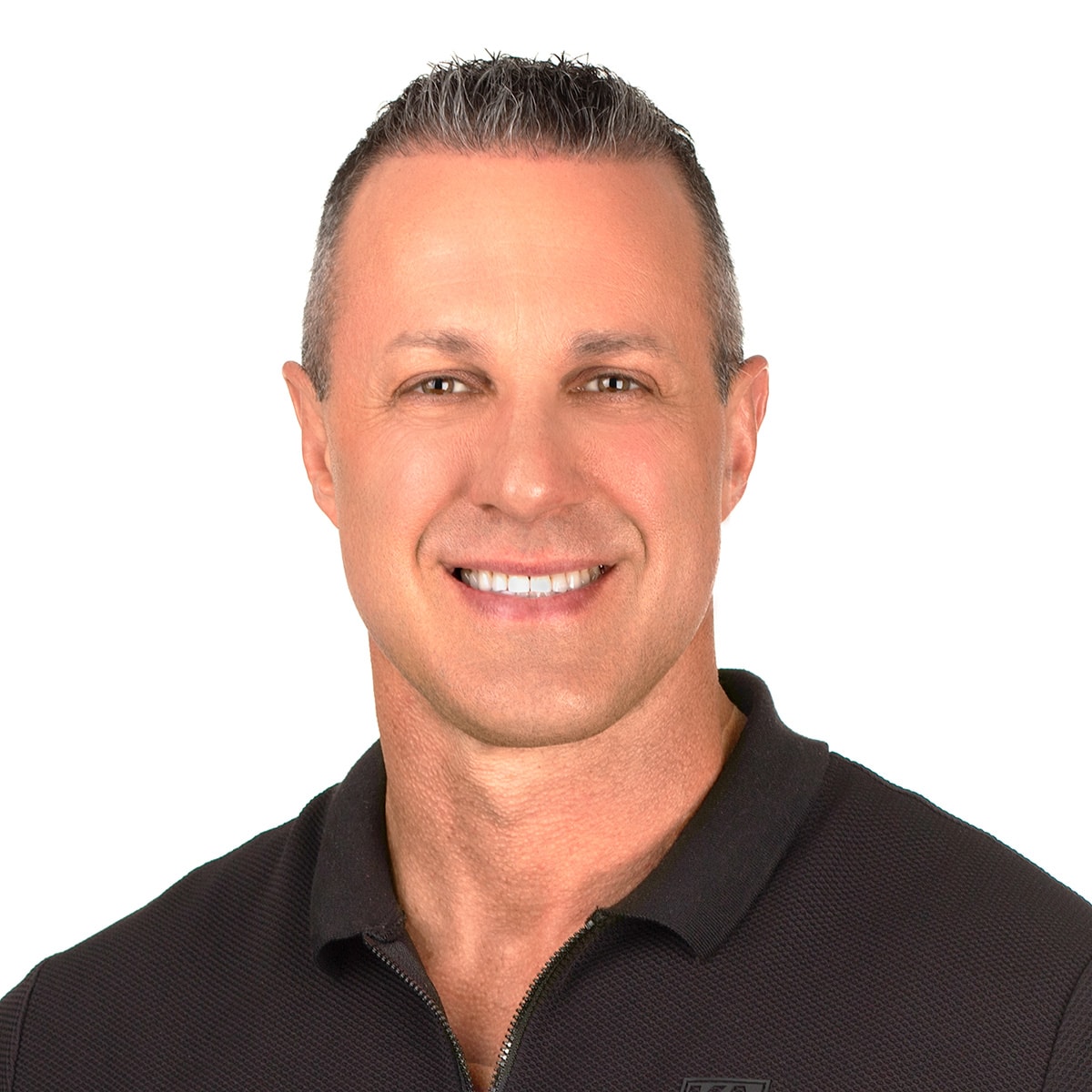
I've been in the recovery space for over a decade — as a coach, as someone who has walked this road personally, and now as the founder of RCVRY HOUSE. In that time, I've seen men choose sober living homes the same way they'd choose an apartment: price, location, availability.
That approach makes sense on the surface. But in early recovery — especially while participating in PHP or IOP — the environment you choose isn't just a place to sleep. It's the foundation your recovery is built on. The wrong choice doesn't just cost you money. It can cost you everything you've worked for.
So I want to give you the honest version of what to look for. Not a marketing checklist. The real questions that help you find a sober living home built around lasting recovery — not just a place to land.
1. Structure: Is There Actually a Program, or Just Rules?
There's a meaningful difference between a sober living home with a list of rules on the wall and one with an actual program built around your recovery.
Rules are necessary. But rules alone don't build recovery. What builds recovery is structure — a daily schedule, accountability systems, coaching, community, and a framework that gives early sobriety somewhere to grow.
When you're evaluating a sober living home, ask: What does a typical day look like here? The more specific and detailed the answer — morning routines, scheduled activities, recovery meetings, coaching sessions, community meals — the more intentional the program. You want to understand exactly what structure looks like day to day before you commit.
At RCVRY HOUSE, every participant follows a structured weekly schedule. Morning breathalyzer. Treatment attendance. Coaching. Fitness. Meals together. Evening accountability. The structure isn't punitive — it's protective. It removes the mental negotiation that quietly leads men off course in early recovery.
You can see exactly what a week looks like at RCVRY HOUSE if you want a concrete example of what structured sober living actually means in practice.
2. Accountability: Who Is Actually Watching?
This one matters more than almost anything else, and it's the question most people don't ask directly enough.
Accountability structures vary widely across sober living homes — from daily check-ins to live-in staff to random testing. Understanding exactly what's in place before you move in helps you choose the level of support that matches where you are in your recovery.
Ask specifically: Is there live-in staff? How often are participants tested? What happens when someone relapses?
At RCVRY HOUSE, we have a full-time live-in house manager — not a part-time check-in, not a remote supervisor. Every participant is breathalyzed every morning and every evening. Random drug testing happens throughout the week. This isn't about distrust. It's about removing the daily decision of whether to stay sober and replacing it with a structure that makes the right choice automatic.
The men who come through this program consistently tell me that the daily accountability check is one of the things they value most. Not because they don't trust themselves — but because external accountability removes the negotiation.
3. Recovery Coaching: Is There Actual Support, or Just Supervision?
Supervision keeps you safe. Coaching helps you grow. You need both, but most sober living homes only offer the first one.
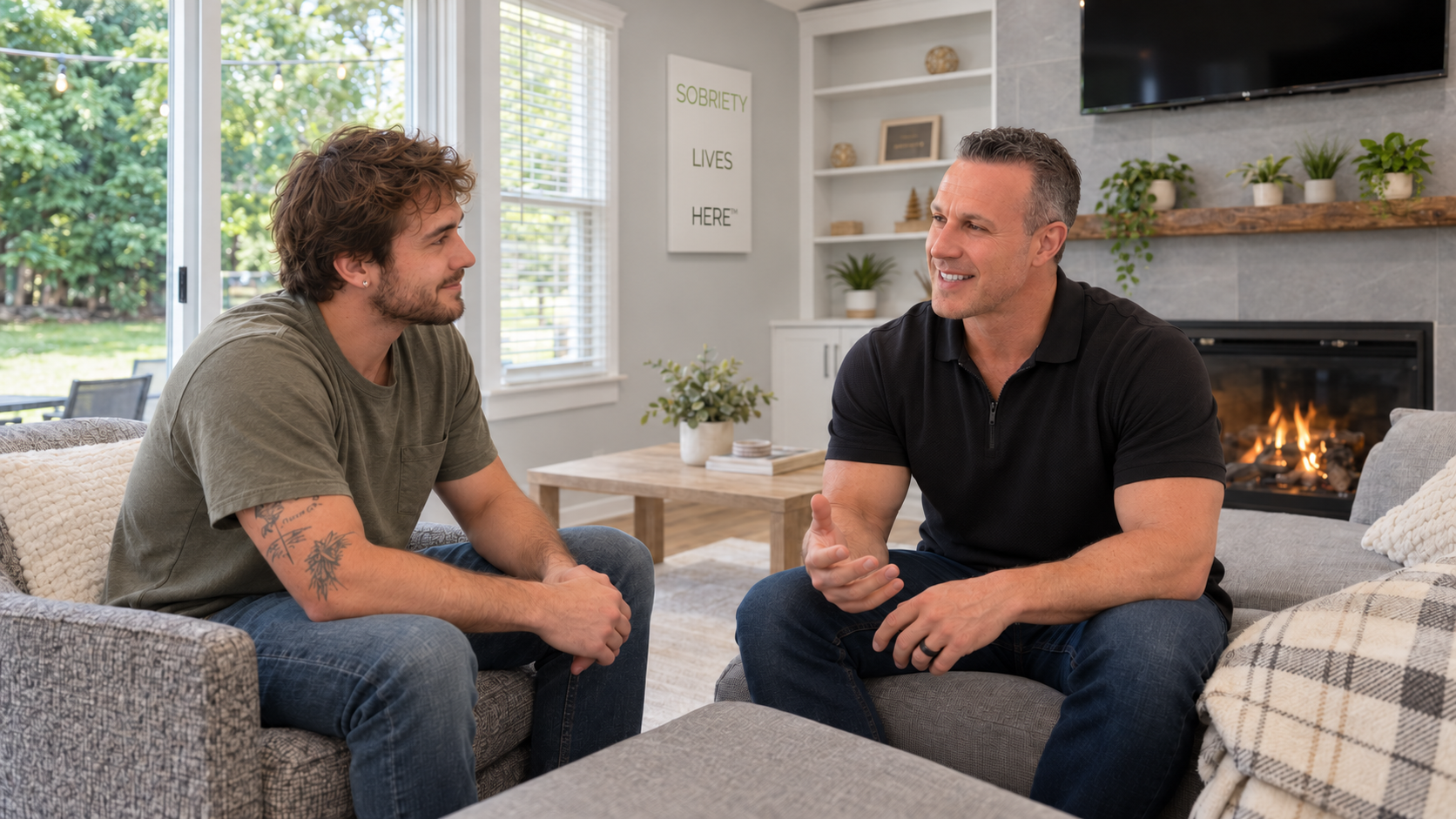
Recovery coaching — real, one-on-one mentorship from someone who has been through this and spent years walking alongside other men in recovery — is one of the most valuable things to look for in a sober living program. The format varies: some homes offer group check-ins, some offer individual sessions, some offer both. Ask specifically what coaching looks like and who provides it.
Ask: What does the coaching look like? Who provides it? What's their background?
At RCVRY HOUSE, one-on-one recovery coaching from me — Aaron Barnes, a certified recovery coach with over a decade of experience — is included in the program for every participant. This is not a weekly group meeting. It's real mentorship, built around each man's specific situation, goals, and challenges.
I've been recognized as one of the most experienced sober coaches in the country. The coaching I provide — the kind people seek out and pay for on its own — is part of what every man at RCVRY HOUSE receives as part of his monthly fee.
4. The All-Inclusive Model: What's Actually Included?
This is the part that surprises most people, because it's genuinely rare in sober living.
Sober living fees vary widely in what they cover. Some programs include meals, gym access, transportation, and activities in a single monthly fee. Others charge for housing and leave the rest to you. In early recovery, when most men are just getting back on their feet financially, it's worth understanding exactly what's included before you commit — and budgeting for what isn't.
RCVRY HOUSE operates on a fully all-inclusive model. One monthly fee covers everything:
- Furnished housing in a fully remodeled, professionally maintained home
- Food provided — groceries stocked and shared meals part of the routine
- Gym membership — built into the weekly schedule
- Transportation support — to treatment, meetings, and activities
- One-on-one recovery coaching with Aaron Barnes
- Weekend outings — movie nights, bowling, hiking, kayaking, community service, camping, and more — all paid for
- Random drug and alcohol testing
- Recovery meetings and peer community
- Infrared sauna access
The all-inclusive model isn't just convenient. It removes financial stress as a variable in early recovery, ensures that every man in the house has access to the same tools and support regardless of his financial situation, and makes the program work as a program — not a collection of optional add-ons.
This all-inclusive model is something we built RCVRY HOUSE around from the beginning — because we believe removing financial variables from early recovery gives men the best possible foundation.
5. The House Itself: Does the Environment Reflect the Standard?
I've said this before and I'll keep saying it: the physical environment matters more than people give it credit for.
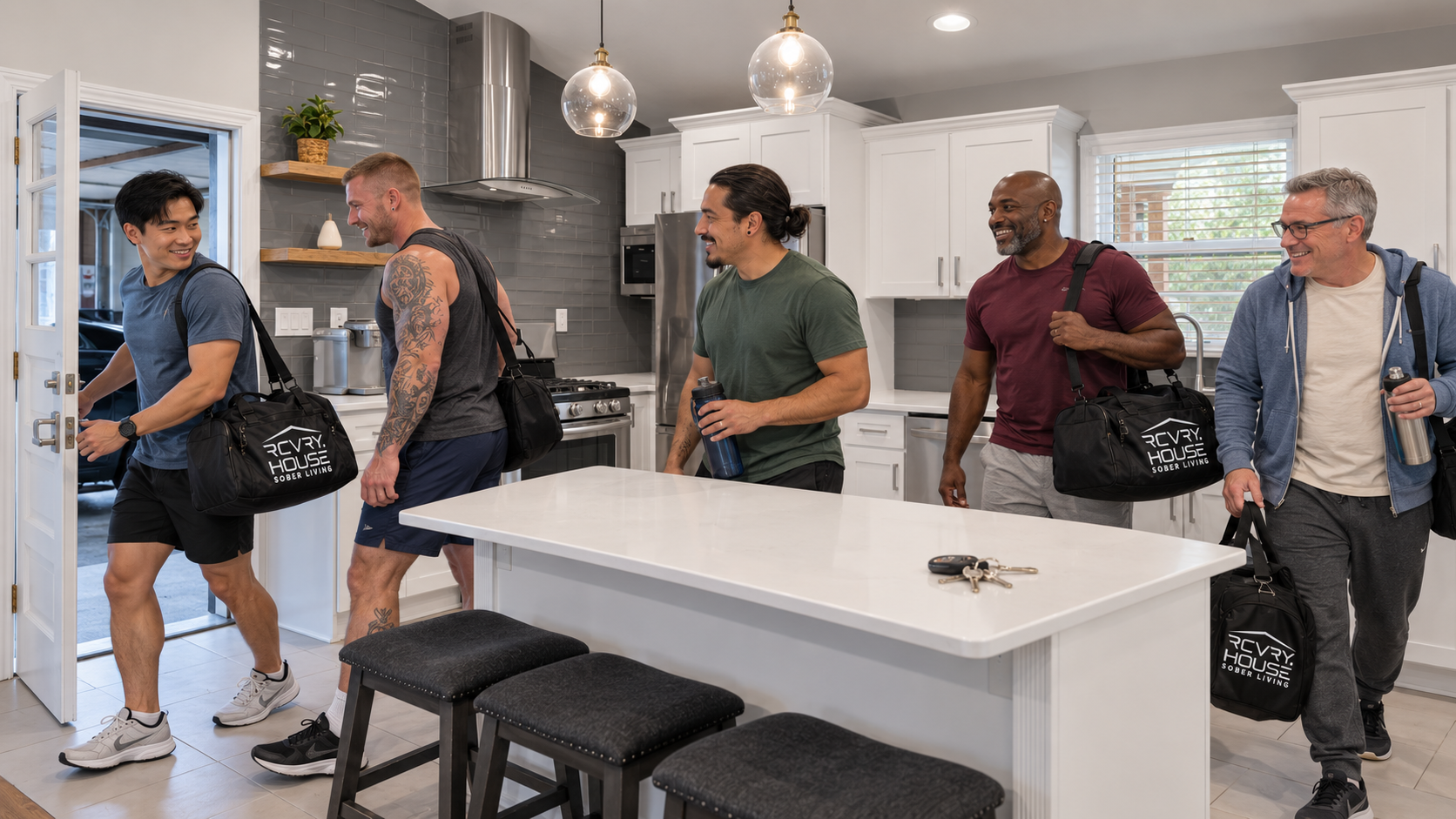
When a man wakes up every morning in a space that is clean, well-maintained, and genuinely comfortable — a space that reflects the standard he's trying to hold himself to — it reinforces the identity he's building. The physical environment is worth paying attention to.
Ask to see the house. Look at photos. A tour — in person or virtual — before committing is always a reasonable ask.
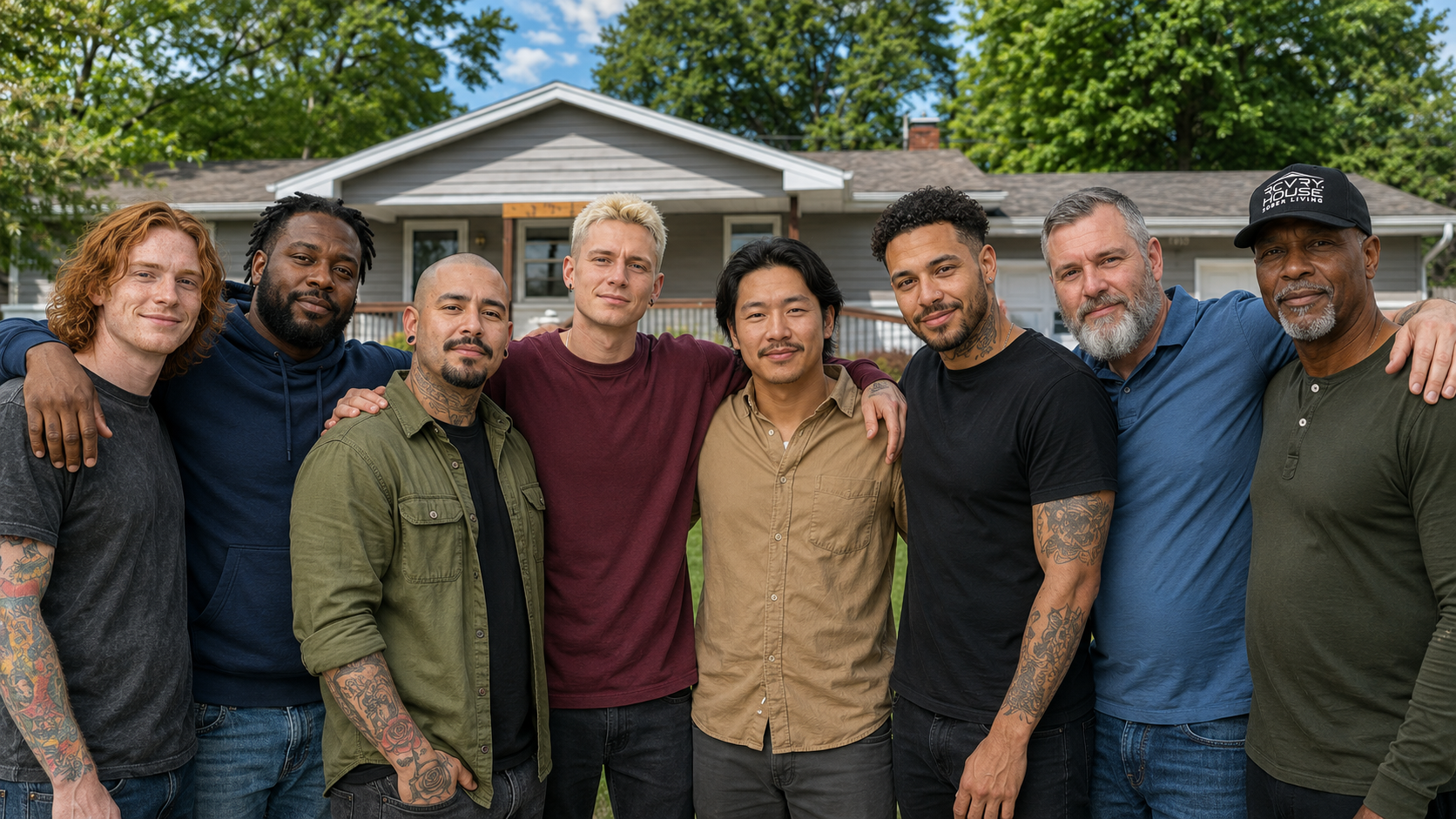
RCVRY HOUSE is a fully remodeled, modernized home in a quiet, established southwest Omaha neighborhood. You can take a full photo tour of the house here — every room, every space, no stock photos.
6. Community: Who Else Is Living There?
Recovery is not a solo project. The men you live alongside in early recovery will have more influence on your trajectory than almost any other factor.
Ask: How many men live in the house? What stage of recovery are they in? What's the culture like?
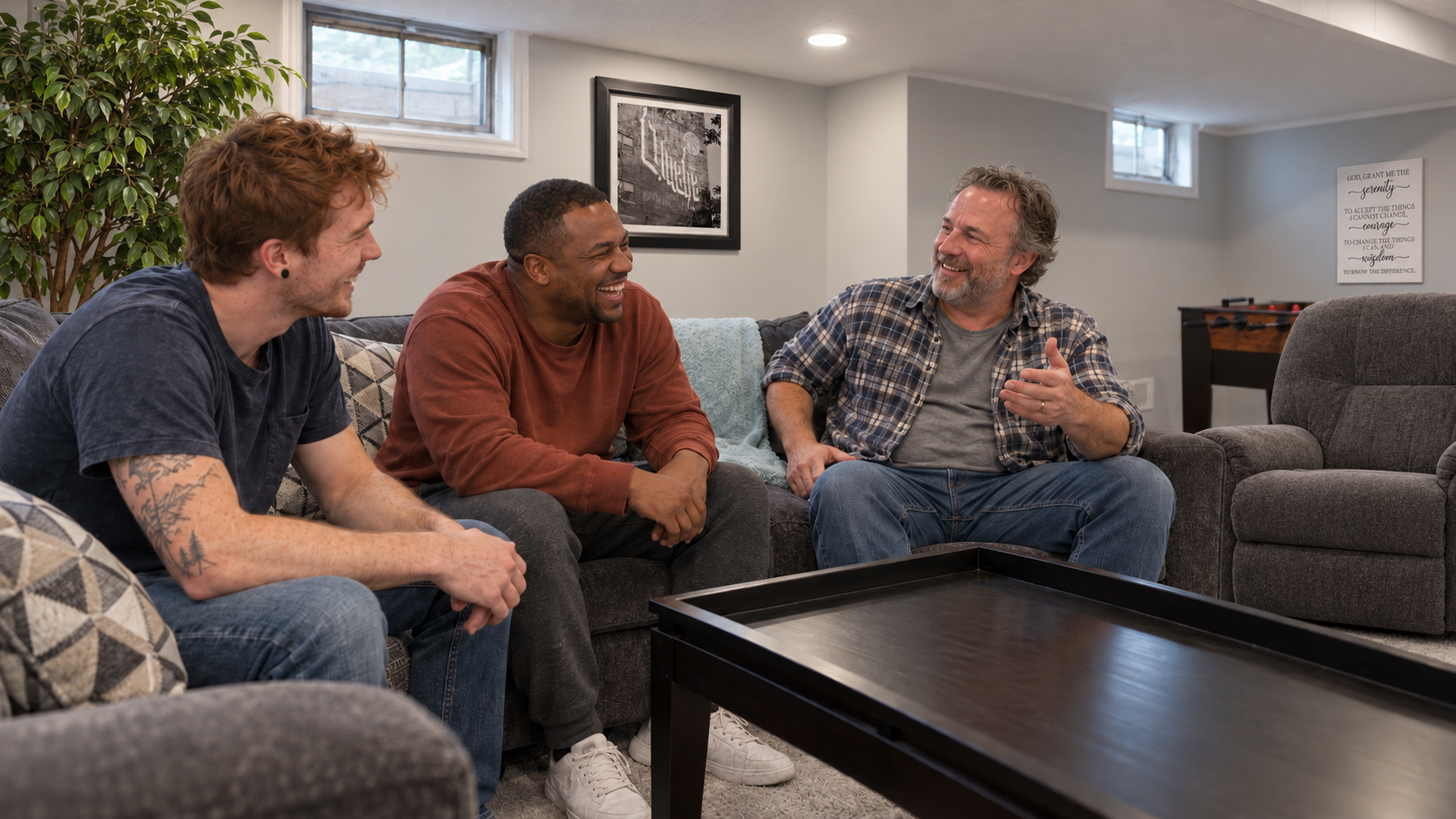
A house full of men who are serious about their recovery — who hold each other accountable, show up for each other, and are all pointing in the same direction — is one of the most powerful environments in early sobriety. A house where accountability is loose and the culture is passive is a different thing entirely.
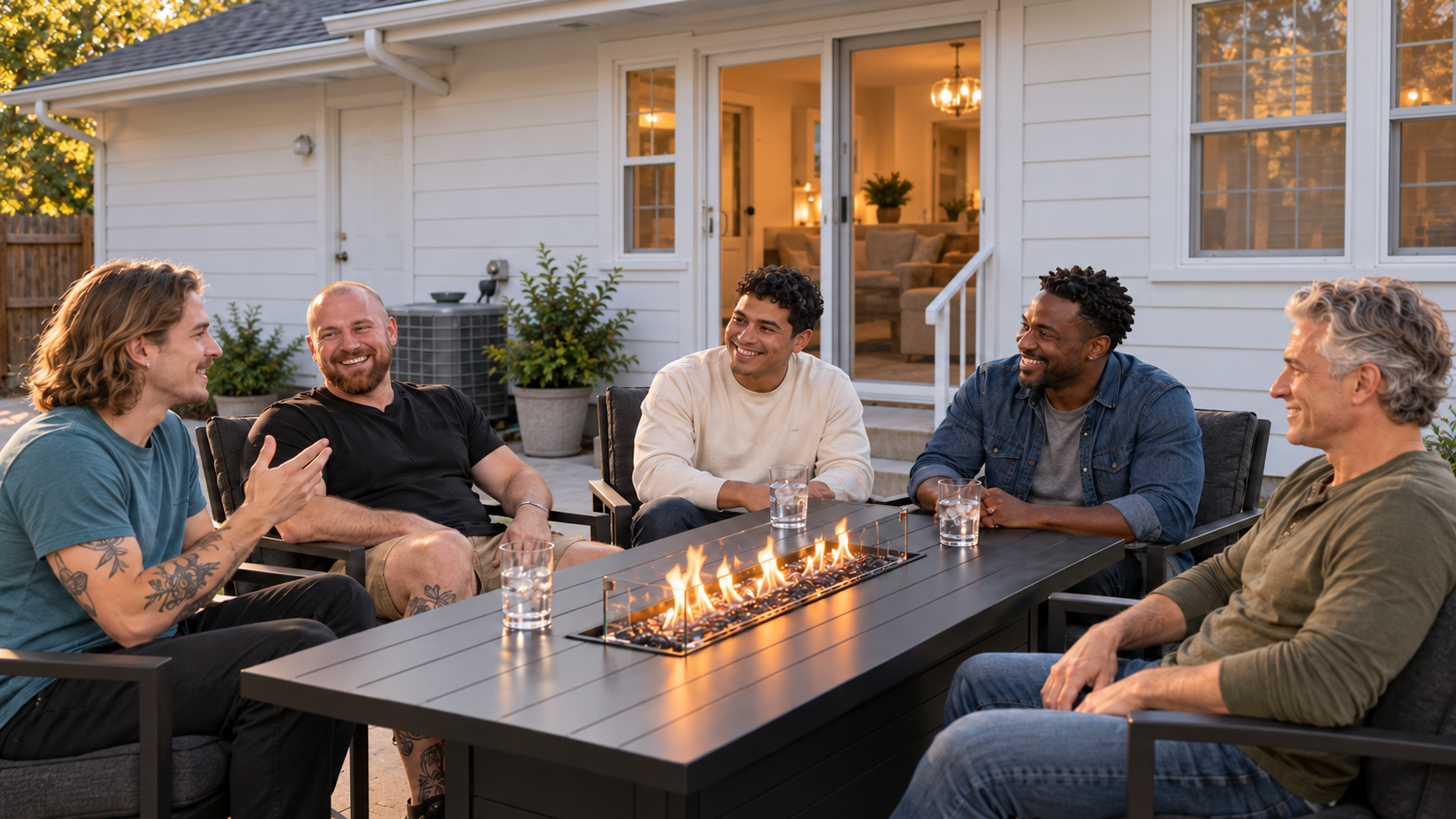
At RCVRY HOUSE, community is built intentionally. Sunday night dinners. House meetings. Shared meals. Weekend outings together. A group of men who understand the specific weight of early recovery and are invested in each other's success.
7. Location: Does Omaha Actually Support Recovery?
This question matters more than people think, especially if you're considering relocating for treatment.
Omaha is a genuinely strong recovery city. There's a robust PHP and IOP treatment ecosystem — Northpoint Nebraska, Redstone Program, Valley Hope, and others — which means men at RCVRY HOUSE have access to quality outpatient care. The job market is strong and accessible, which matters for the employment component of early recovery. The cost of living is reasonable, which makes independent living achievable after the program. And the city has a tight-knit recovery community that extends well beyond any single house or program.
From the Bob Kerrey Bridge to Fontenelle Forest, from Henry Doorly Zoo to Mahoney State Park — there's a full life to build here. Omaha gives men in recovery the resources, the community, and the environment to build it.
RCVRY HOUSE sits in a quiet, stable southwest Omaha neighborhood — close to treatment providers, employment, and the city's parks and recreation, but away from the environments that make early recovery harder.
What the Press Has Said About RCVRY HOUSE
We don't say any of this in a vacuum. RCVRY HOUSE has been covered by The Reader, Omaha's independent news source, and featured on KETV NewsWatch 7 — Omaha's ABC affiliate. Both covered the RCVRY HOUSE model and what it offers men in early recovery in Omaha.
You can read and watch the full coverage on our press page.
The Questions to Ask Before You Commit
Before you choose a sober living home — in Omaha or anywhere — here's the short list of questions that will tell you what you actually need to know:
- Is there live-in staff? How often are participants tested?
- What does a typical day look like? Is there a structured schedule?
- Is recovery coaching included? Who provides it?
- What's included in the monthly fee — and what costs extra?
- Can I see photos of the house? Can I tour it before committing?
- What happens if someone relapses?
- What's the culture like among the men currently living there?
The answers to those questions will tell you more than any website will.
If You're Ready to Take the Next Step
RCVRY HOUSE accepts men 19 and older who are enrolled in or transitioning from PHP or IOP. Same-day admits are available for the right fit.
If you're ready to talk — or if you're a family member or treatment professional looking for a placement — schedule a confidential call or start the application process. We'll give you straight answers and help you figure out if RCVRY HOUSE is the right fit.
— Aaron Barnes, Founder, RCVRY HOUSE
Explore Topics
Written by
Aaron Barnes
Founder of RCVRY HOUSE and certified recovery coach. Aaron writes from lived experience — on what it actually takes to build a life worth protecting.